Awaab's Law: a plain-English guide for landlords
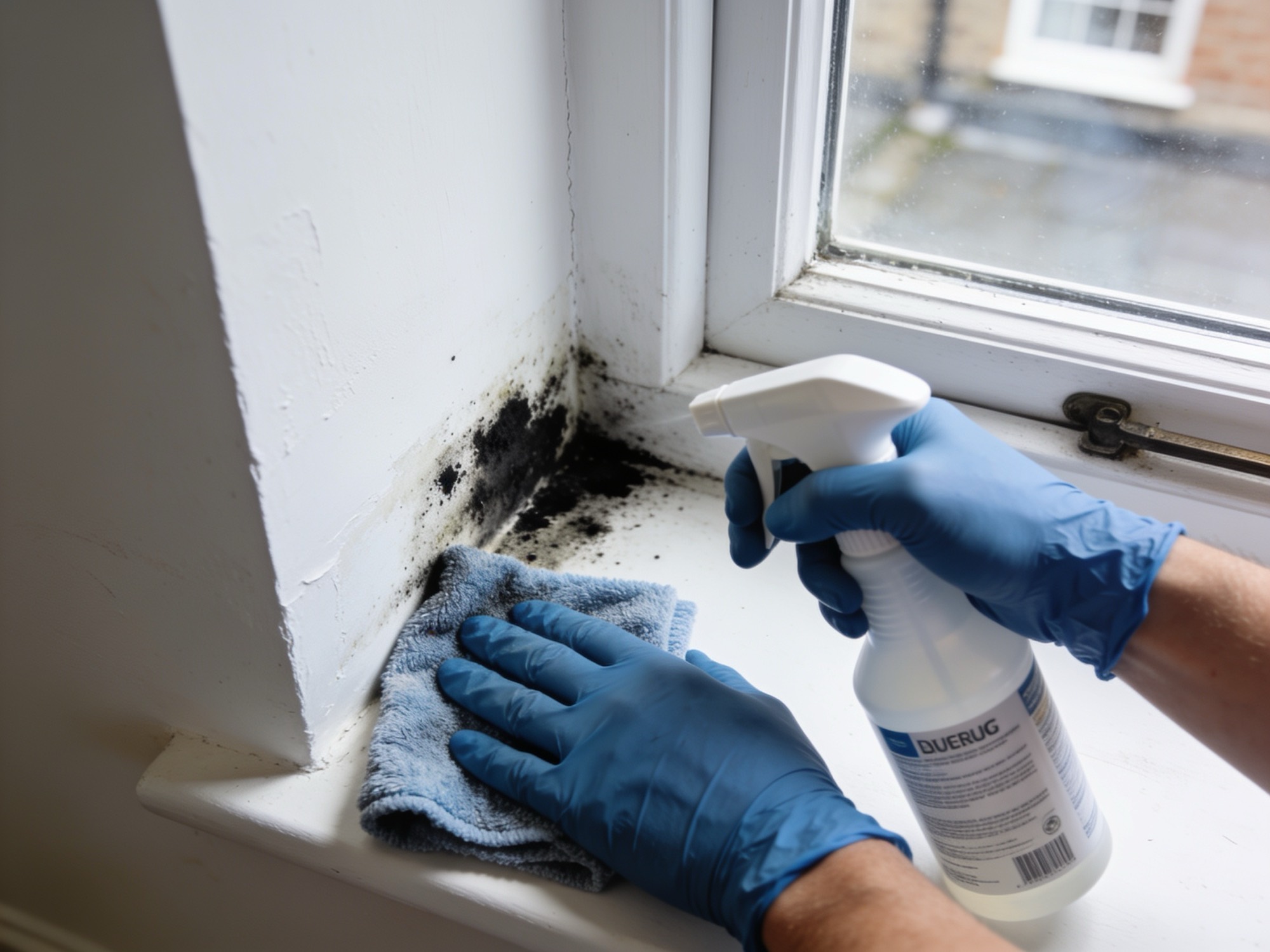
Awaab's Law sets legal timescales for landlords to investigate and fix damp and mould hazards. Here's what it means in practice.

This article is general guidance, not legal advice. Always check the latest government guidance.
Awaab's Law is named after Awaab Ishak, a two-year-old who died in 2020 from a respiratory condition caused by prolonged exposure to mould in his family's social housing home in Rochdale.
What does it require?
From October 2025, social landlords in England must investigate and fix damp and mould hazards, and emergency hazards, within set timescales. In summary:
- Emergency hazards must be investigated and made safe within 24 hours.
- Significant damp and mould hazards must be investigated promptly and tenants given a written summary of the findings.
- Safety work must start within fixed timescales, with further works completed within a reasonable time.
The rules are being extended to more hazards in phases, and the government has said similar requirements will apply to the private rented sector.
How we help
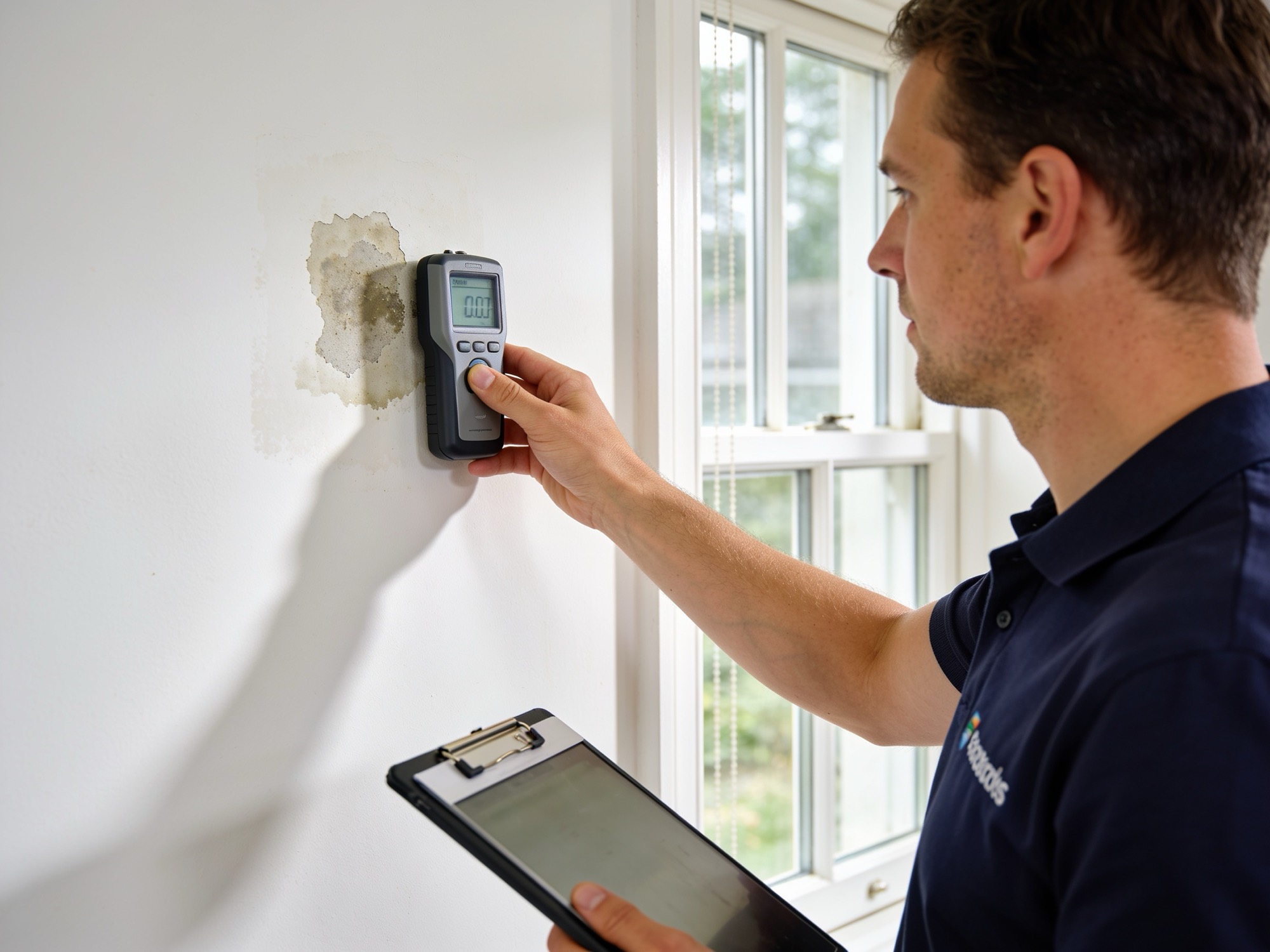
- Fast surveys to establish the cause and severity
- Clear written and photographic reports
- Professional remediation and prevention advice