Black mould in the bathroom: why it keeps coming back and how to stop it
Bathrooms are the most common place for black mould in UK homes. Here's why it grows on ceilings, silicone and grout - and what actually stops it.
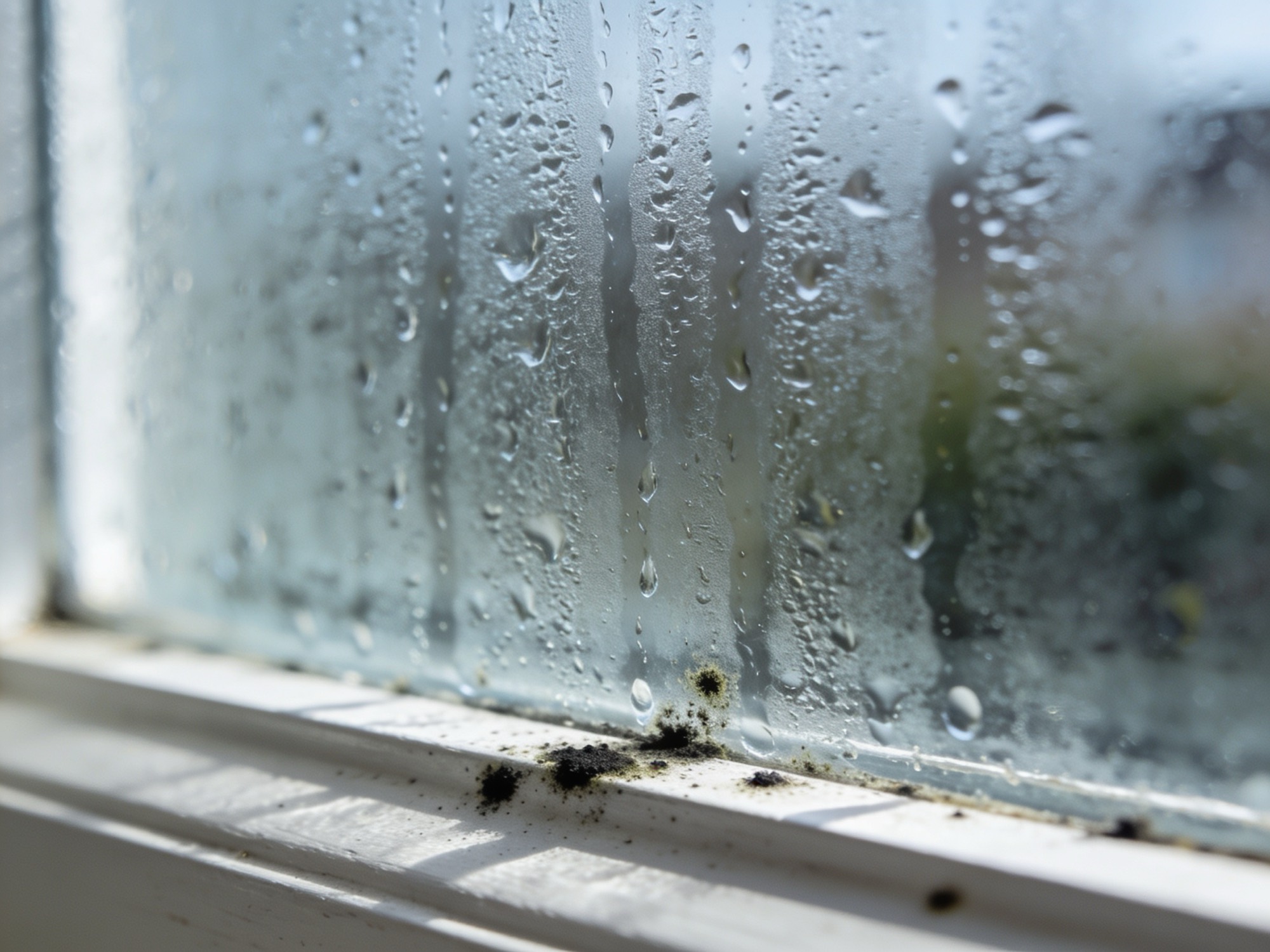
The bathroom is where most people first notice black mould: black spots on the ceiling above the shower, in the corners, along the silicone round the bath and in the grout. It's also the room where mould most often comes straight back after cleaning. The reason is simple - a shower puts a lot of moisture into a small room in a short time, and if that moisture has nowhere to go it settles on the coldest surfaces.
Why black mould grows in bathrooms
- Steam with nowhere to go. A single hot shower can leave the air saturated. If the extractor fan is weak, broken, switched off or turned off as soon as you leave, the moisture condenses on the walls and ceiling.
- Cold surfaces. Outside walls, ceilings under a cold loft and window reveals are colder than the rest of the room, so water collects there first. That's why mould is often worst in the top corners.
- Surfaces that stay damp. Silicone, grout, shower curtains and the backs of bath panels stay wet for hours, giving mould time to grow.
- No heating. A cold bathroom takes much longer to dry out.
Why bleach doesn't solve it
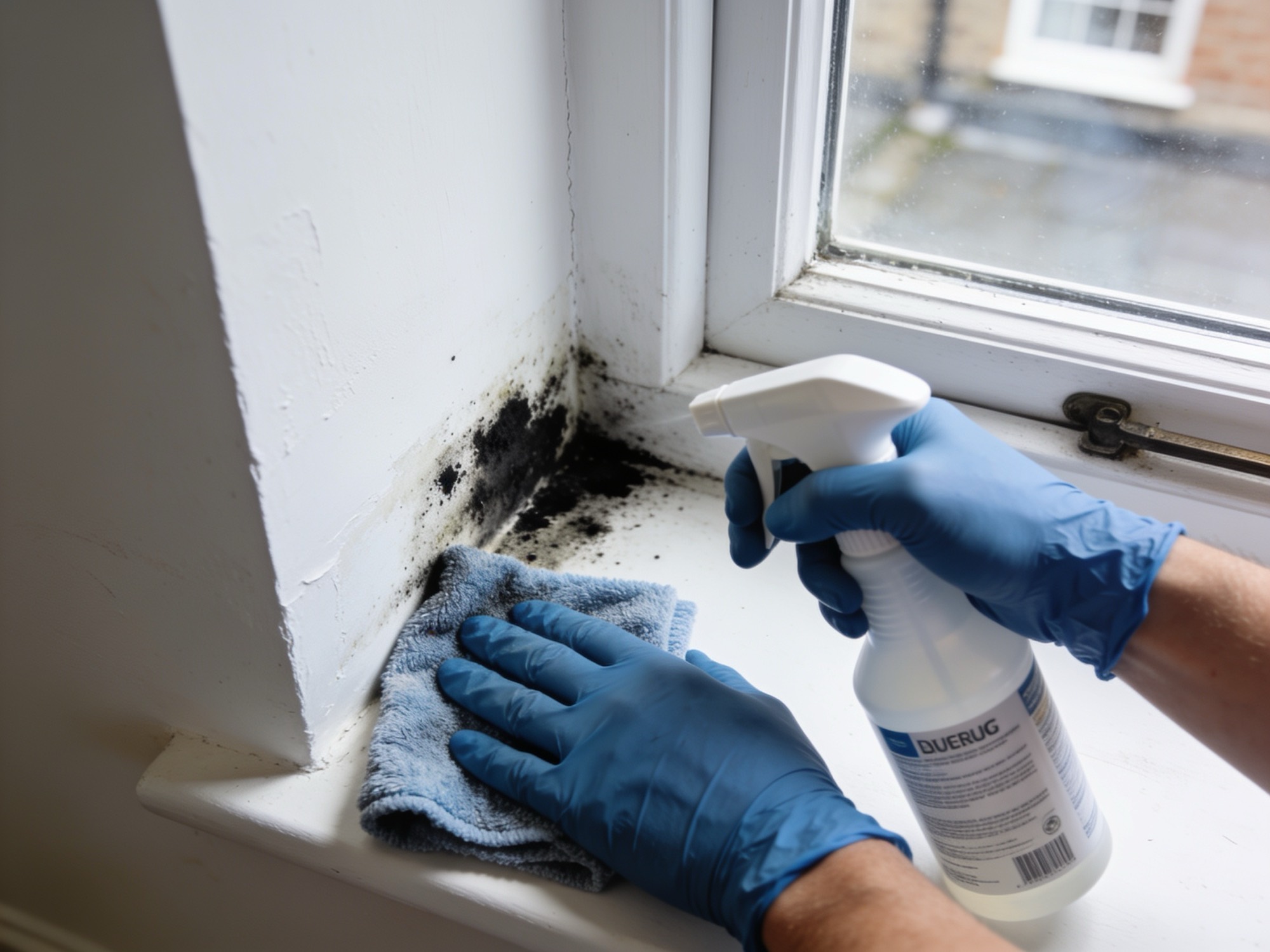
Bleach can whiten mould on the surface, so it looks like it has gone. But it doesn't deal with the moisture that let it grow, and on porous surfaces such as painted plaster, grout and silicone the mould can regrow from within. If the conditions haven't changed, it will be back within weeks. You can read more in our article Does bleach kill mould?
How to stop it coming back
- Run the extractor fan during and for at least 15-20 minutes after a shower or bath. If it's slow to clear the mirror, the fan may be too small, blocked with dust or ducted badly.
- Keep the door shut while showering so the steam doesn't spread into the rest of the house, then open a window afterwards if you can.
- Wipe down the shower screen, tiles and window with a squeegee or towel. It takes a minute and removes a lot of water.
- Keep the room warm. A little background heat helps surfaces dry.
- Leave a gap - don't push towels, baskets or furniture tight against cold outside walls.
- Replace mouldy silicone rather than cleaning it - once mould is inside the sealant it rarely comes out.
When to get help
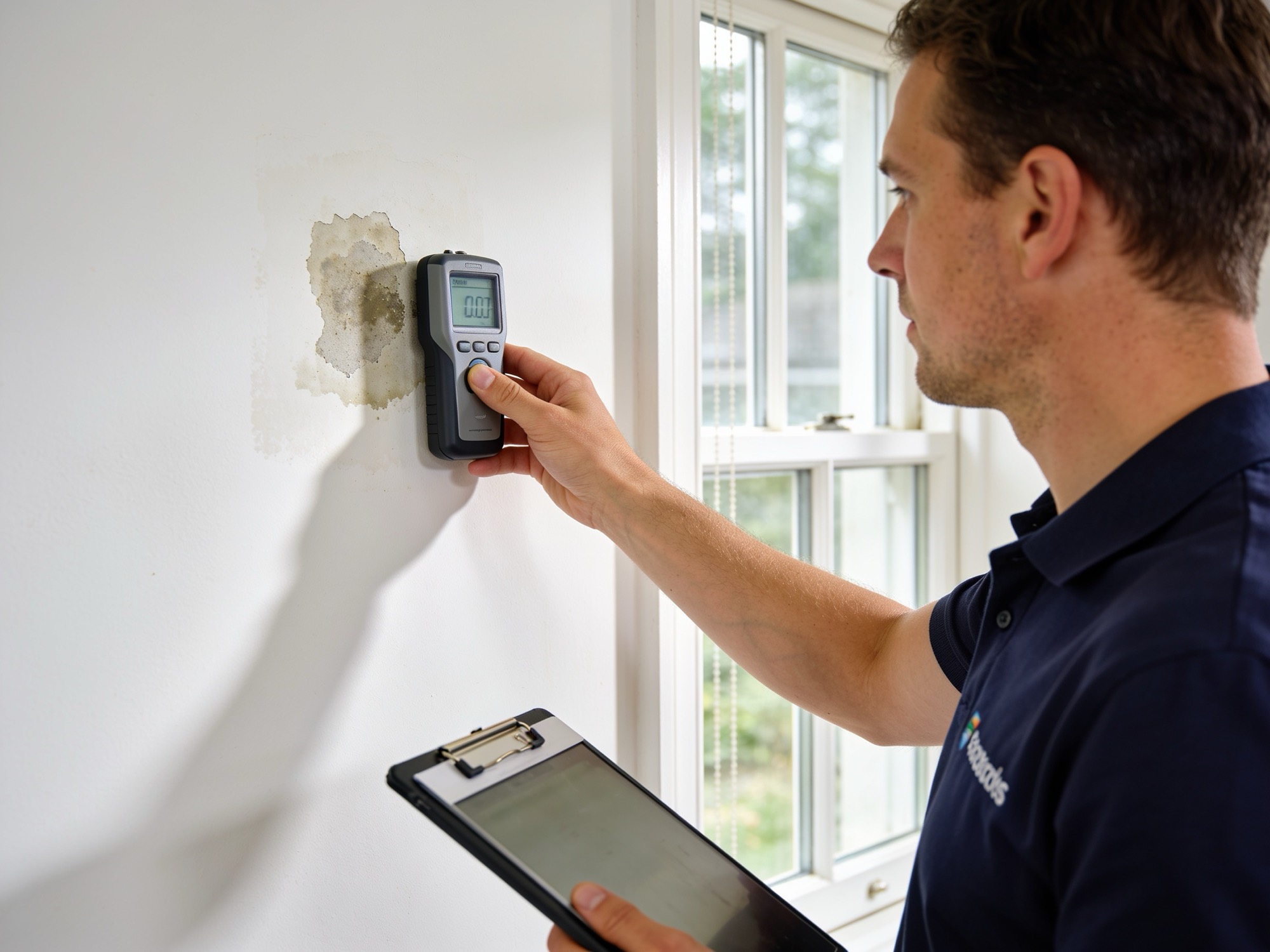
If mould covers a large area, keeps returning despite good ventilation, or there are signs of a leak (a patch that stays damp, staining on the ceiling below, or a musty smell from behind panels), it's worth having it looked at. A moisture survey will show whether you're dealing with condensation or water getting in from somewhere else.
Our mould removal service removes the mould safely with HEPA vacuuming and antimicrobial treatment, and we give you practical advice so it doesn't come back. Send us a few photos for a free quote.