Does bleach kill mould? Why DIY mould removal often fails
Bleach makes mould look like it's gone, but it's often back within weeks. Here's why, how to deal with small patches safely, and when to get help.
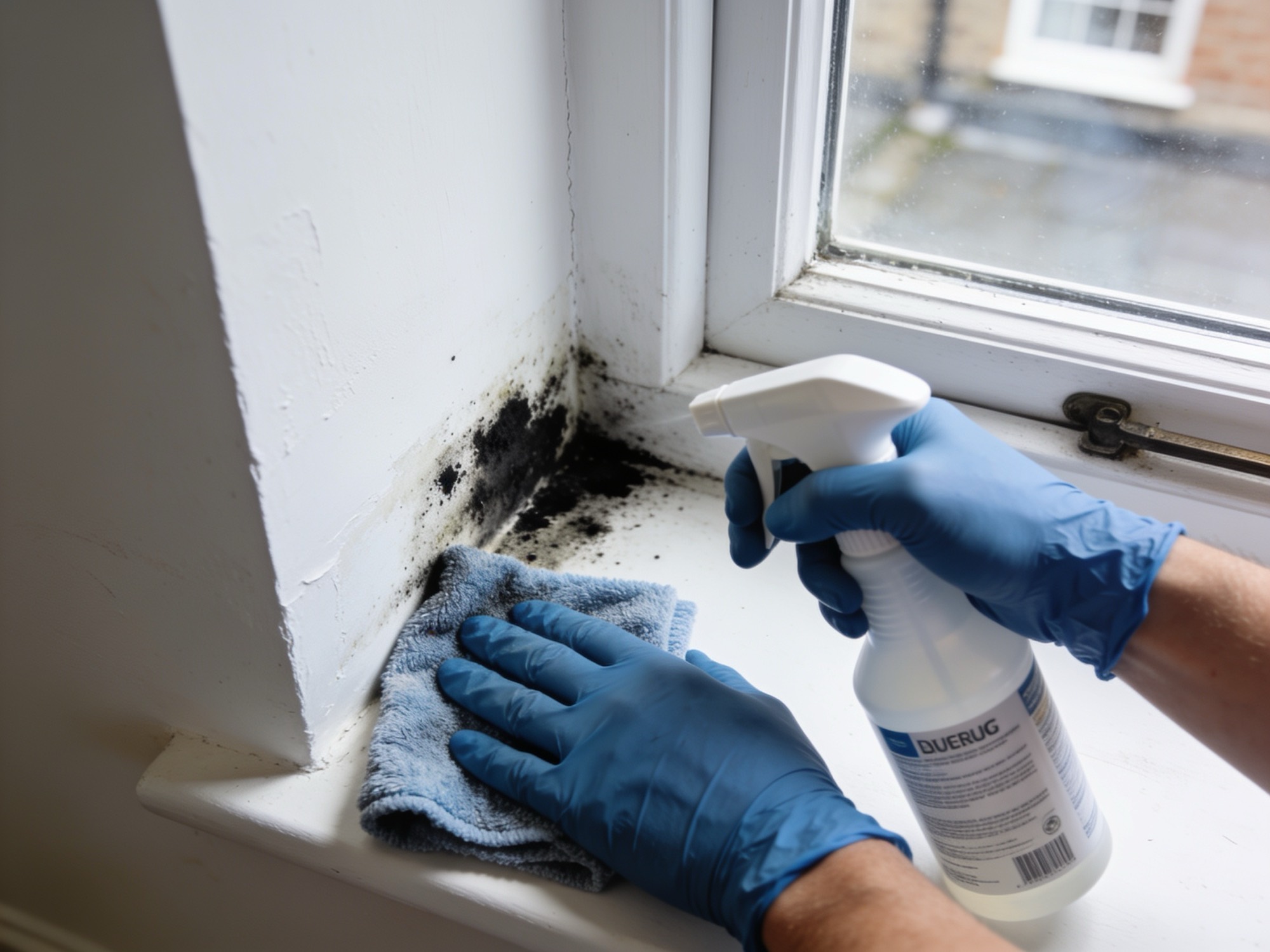
Most people's first step with mould is a bottle of bleach or a mould spray from the supermarket. The mould disappears, the wall looks clean - and a few weeks later it's back. That's not because you didn't scrub hard enough.
Why bleach doesn't fix mould
- It mostly removes the colour. Bleach whitens the surface growth, so the mould looks like it has gone even when it hasn't been fully removed.
- It doesn't reach into porous surfaces. On plaster, grout, silicone, wood and wallpaper, mould grows into the material. Surface cleaning leaves the roots behind.
- It adds water. Most bleach products are mostly water, which soaks into porous surfaces - and moisture is exactly what mould needs.
- It doesn't touch the cause. Mould only grows where there's moisture. If the condensation, leak or damp is still there, the mould will return whatever you clean it with.
Cleaning a small patch safely
For a small patch of mould (roughly the size of a sheet of A4 paper or less) on a hard, sealed surface such as tiles, glass or gloss paint, careful cleaning is usually fine:
- Open a window and keep the door shut so spores don't spread.
- Wear rubber gloves, eye protection and a well-fitting mask (ideally FFP2 or FFP3).
- Don't dry-brush or sand it - that sends spores into the air.
- Wipe it with a damp cloth and a suitable mould cleaner, following the instructions on the product. Never mix bleach with other cleaning products.
- Dry the area thoroughly, and bag and bin the cloth.
People with asthma or other breathing problems, pregnant women, young children and older people should stay away while cleaning is done.
When to call a specialist
- The mould covers a large area, or several rooms
- It's on porous surfaces - plaster, wallpaper, wood, carpets, soft furnishings
- It keeps coming back after cleaning
- There's a musty smell but you can't see where it's coming from
- Someone in the home is vulnerable to the health effects of mould
- You're a landlord and need a documented, professional fix
How professional mould removal is different
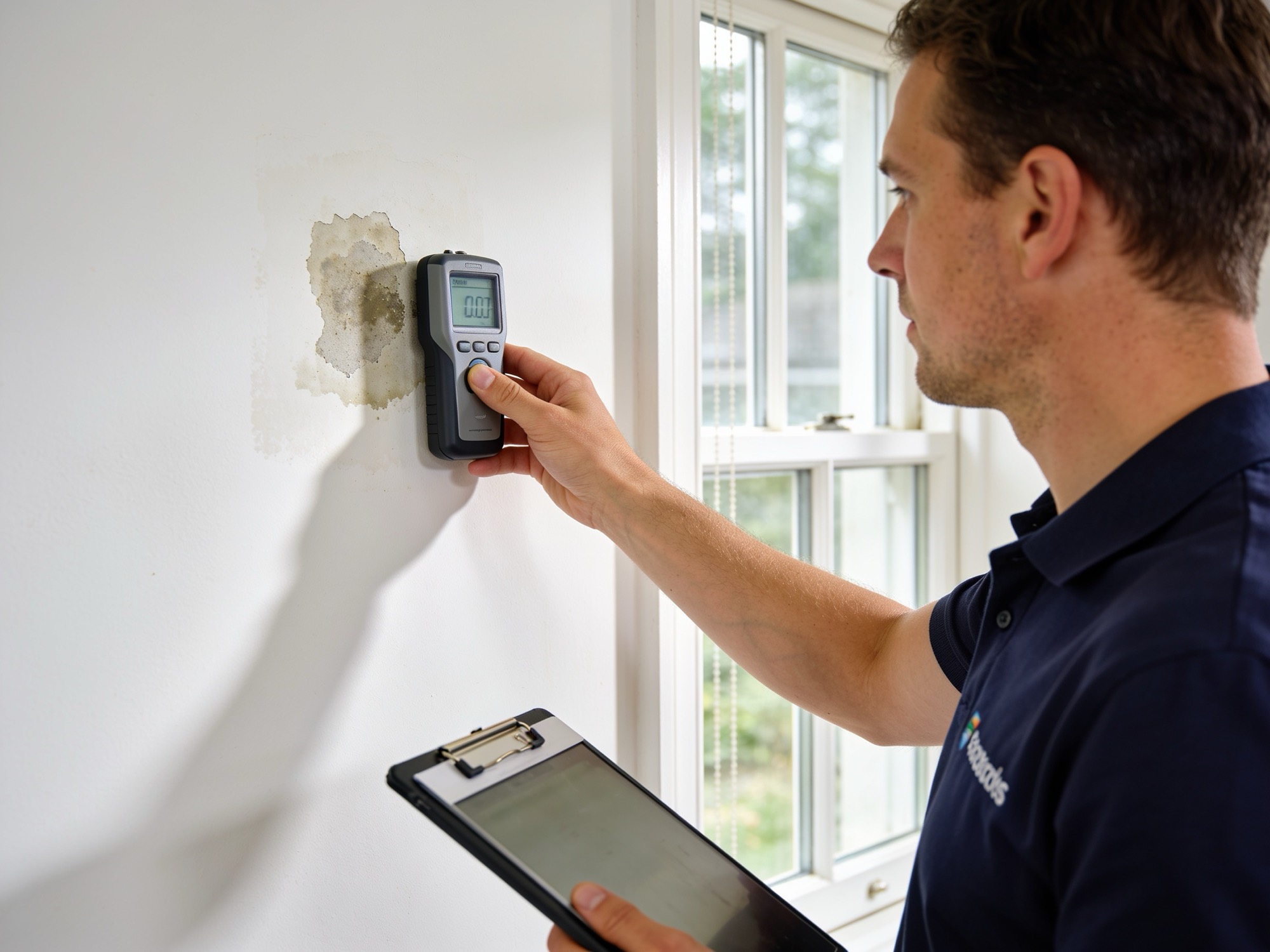
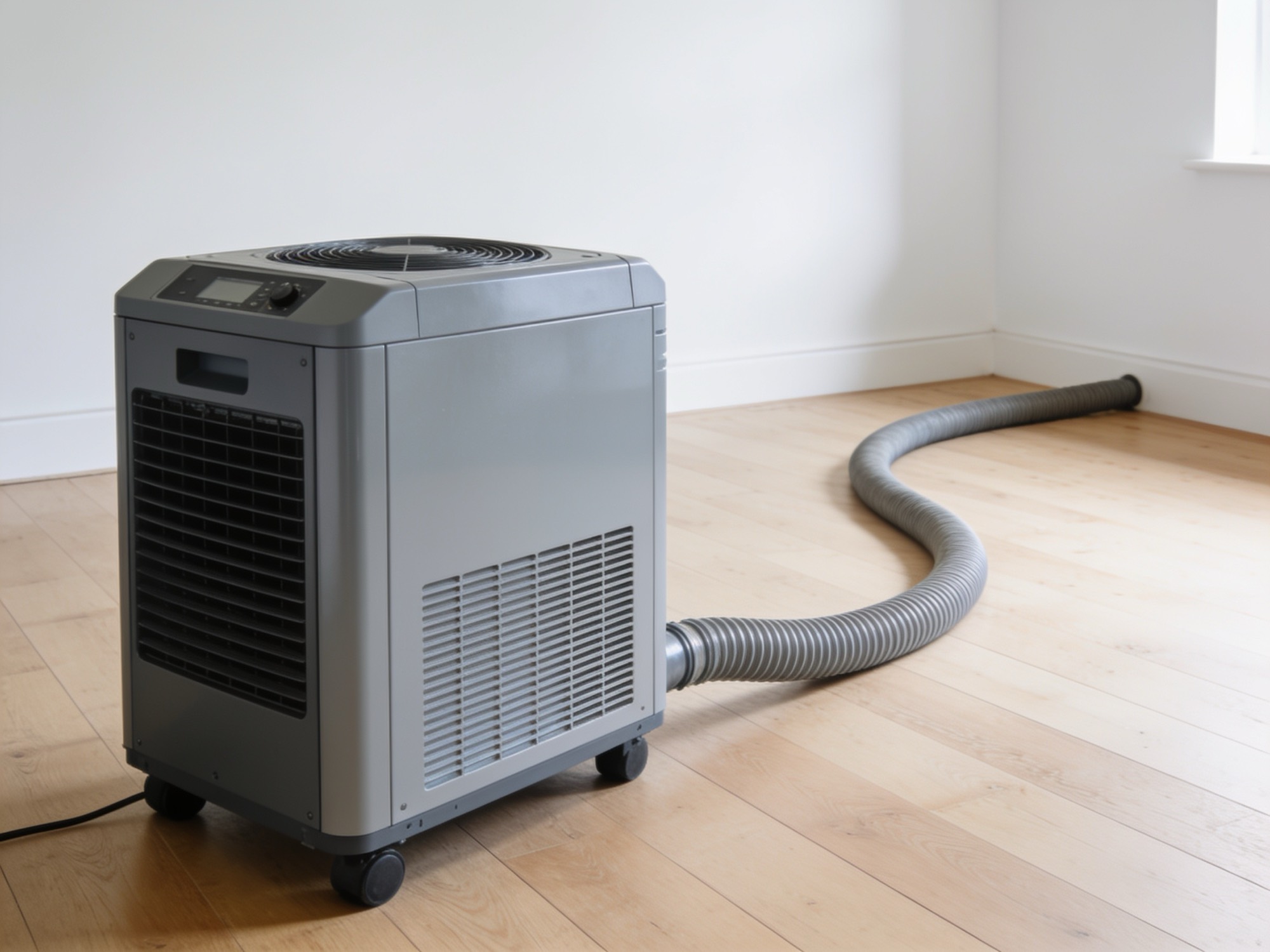
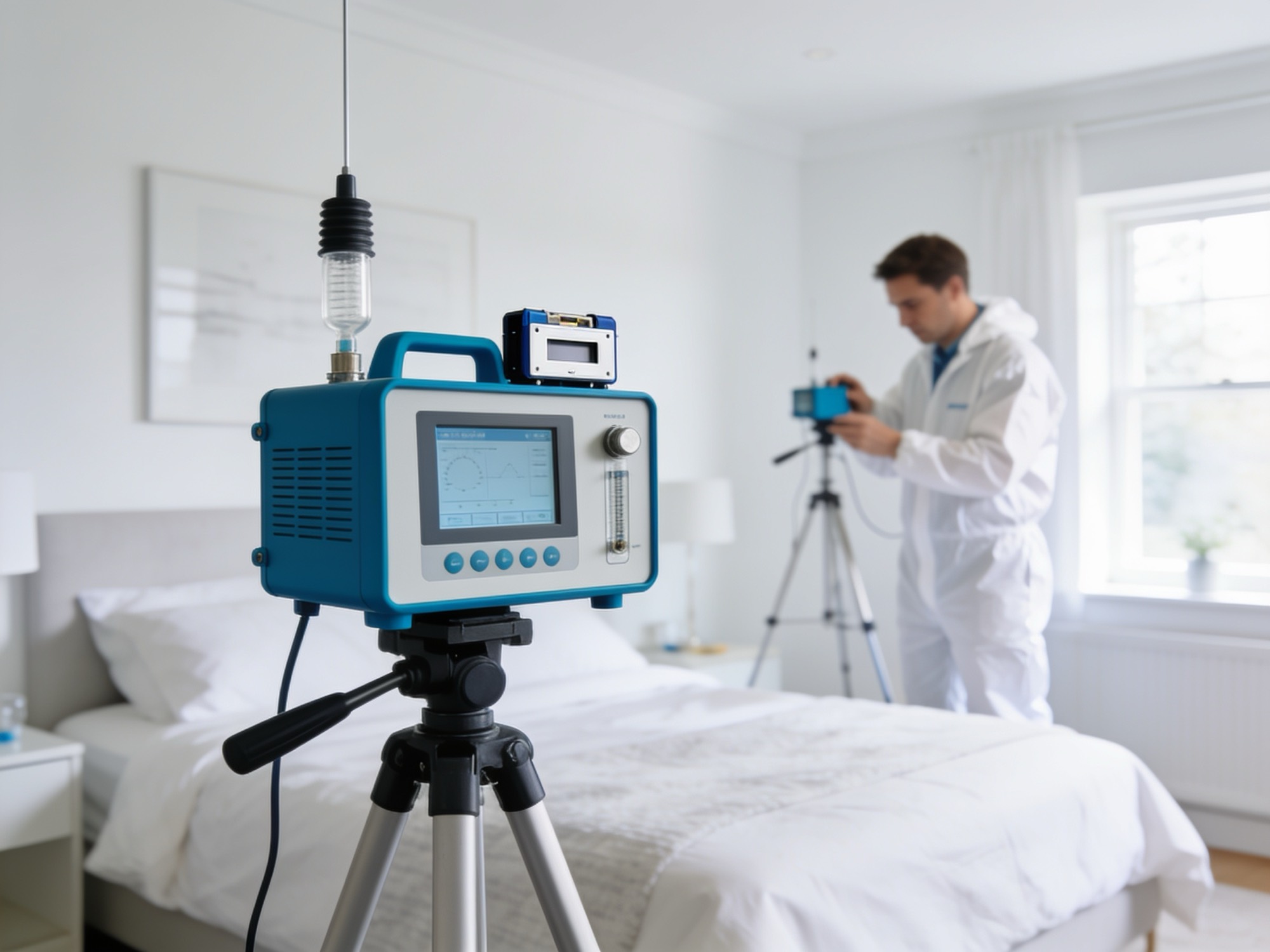
We start by finding out why the mould is there - condensation, penetrating damp, rising damp or a leak - so the fix lasts. Then we remove the mould safely: containing the area where needed, HEPA vacuuming to capture spores, cleaning and treating affected surfaces with antimicrobial products, and treating the air. You get a written report with photos and practical advice, and qualifying work comes with our 12-month guarantee.
See our mould removal service or send us a few photos for a free, no-obligation quote.