Is black mould dangerous to your health?
Damp and mould at home can affect your health, and some people are much more at risk than others. Here's what UK guidance says and what to do.
It's a question we're asked on almost every visit, especially by parents and people caring for someone who is unwell. The short answer is that damp and mould in the home can affect health, and it should be dealt with rather than lived with - but there's no need to panic.
What the guidance says
UK government guidance on damp and mould in housing, and NHS advice, explain that living with damp and mould can cause or worsen breathing problems and other health effects. Mould produces spores and other particles that can be breathed in. Commonly reported effects include:
- coughing, wheezing and shortness of breath
- worsening of asthma
- allergic reactions such as a blocked or runny nose, sneezing, itchy eyes and skin irritation
- a higher risk of chest infections
Who is most at risk?
Some people are more vulnerable to the effects of damp and mould, including:
- babies and young children
- older people
- people with asthma, allergies or other lung conditions
- people with a weakened immune system, for example during cancer treatment
- people with existing skin conditions such as eczema
If anyone in your home falls into these groups, mould should be treated as a priority.
Is "black mould" a particular type?
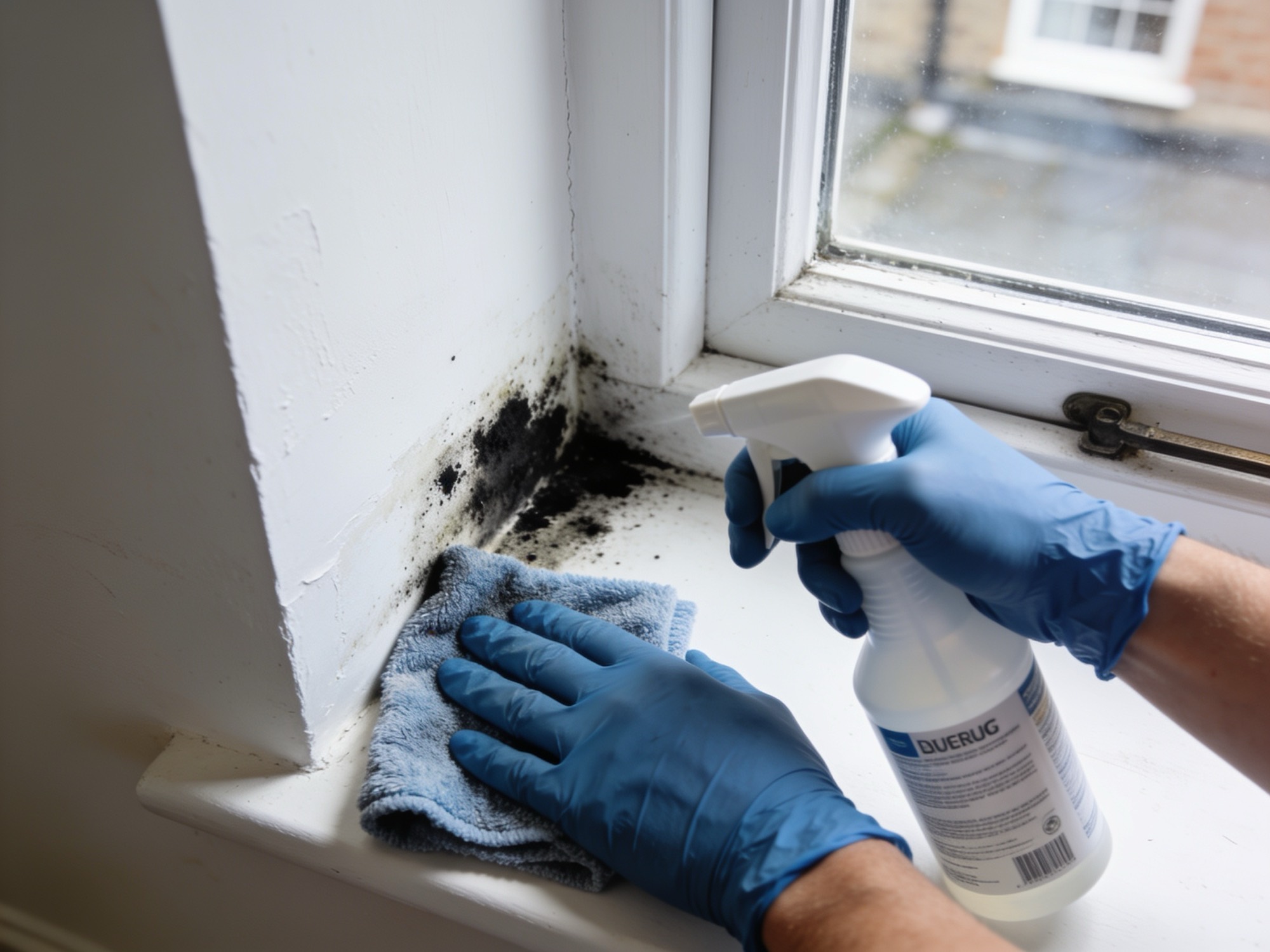
"Black mould" is a general name for any dark mould - several different species can look black. You can't tell which type it is by looking, and for most homes it doesn't change what needs to happen: the mould needs to be removed safely and the moisture problem that caused it needs to be fixed.
What should you do?
- Don't ignore it. Mould spreads if the conditions that caused it don't change.
- Don't dry-brush or sand it. This throws spores into the air.
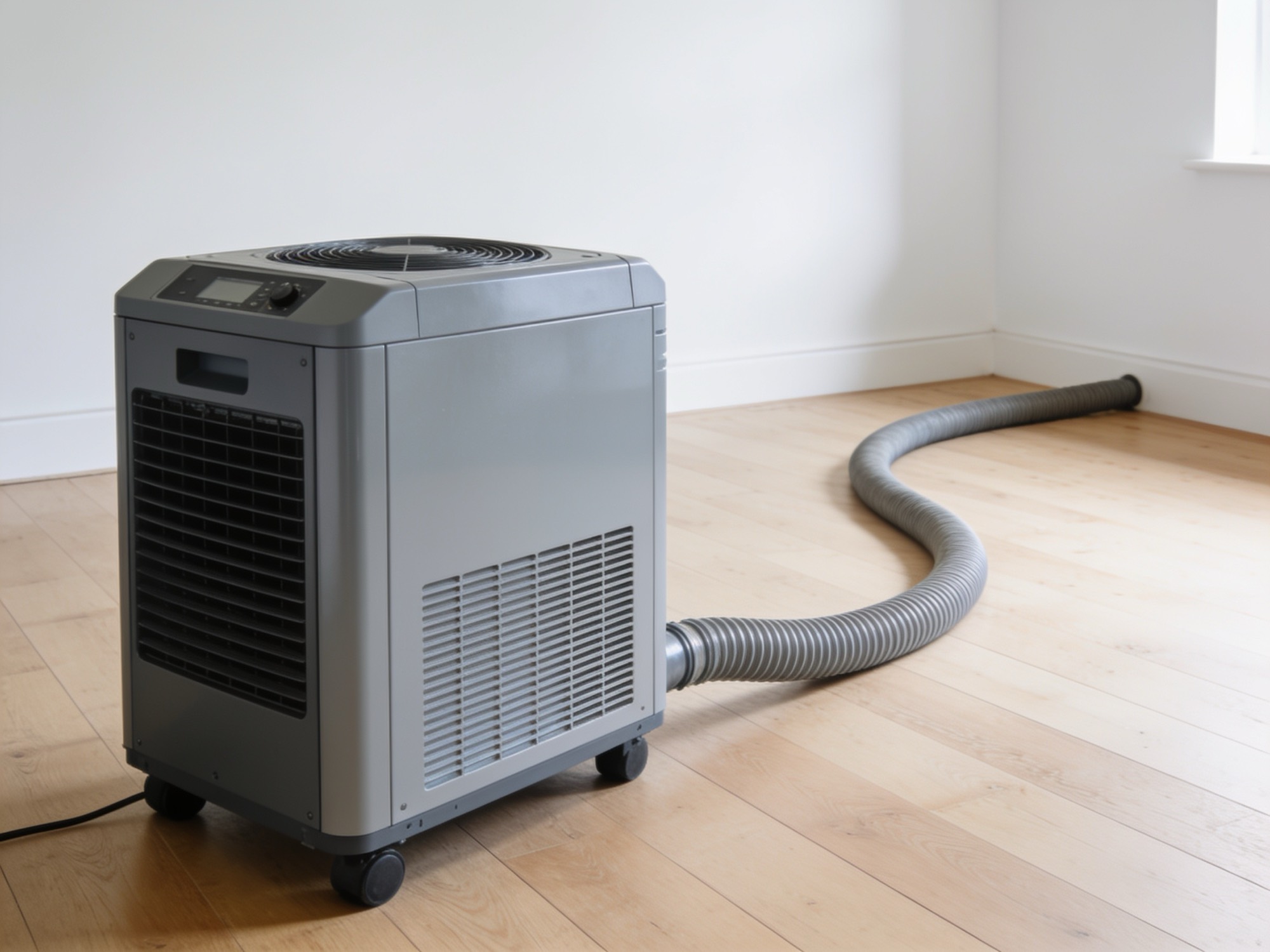
- Reduce moisture - ventilate, use extractor fans, keep rooms warm and avoid drying clothes indoors.
- If you rent, report it to your landlord in writing, with photos. See Mould in a rented home: what tenants can do.
- If you're worried about symptoms, speak to your GP or call NHS 111. We're mould specialists, not doctors, and can't give medical advice.
How we can help
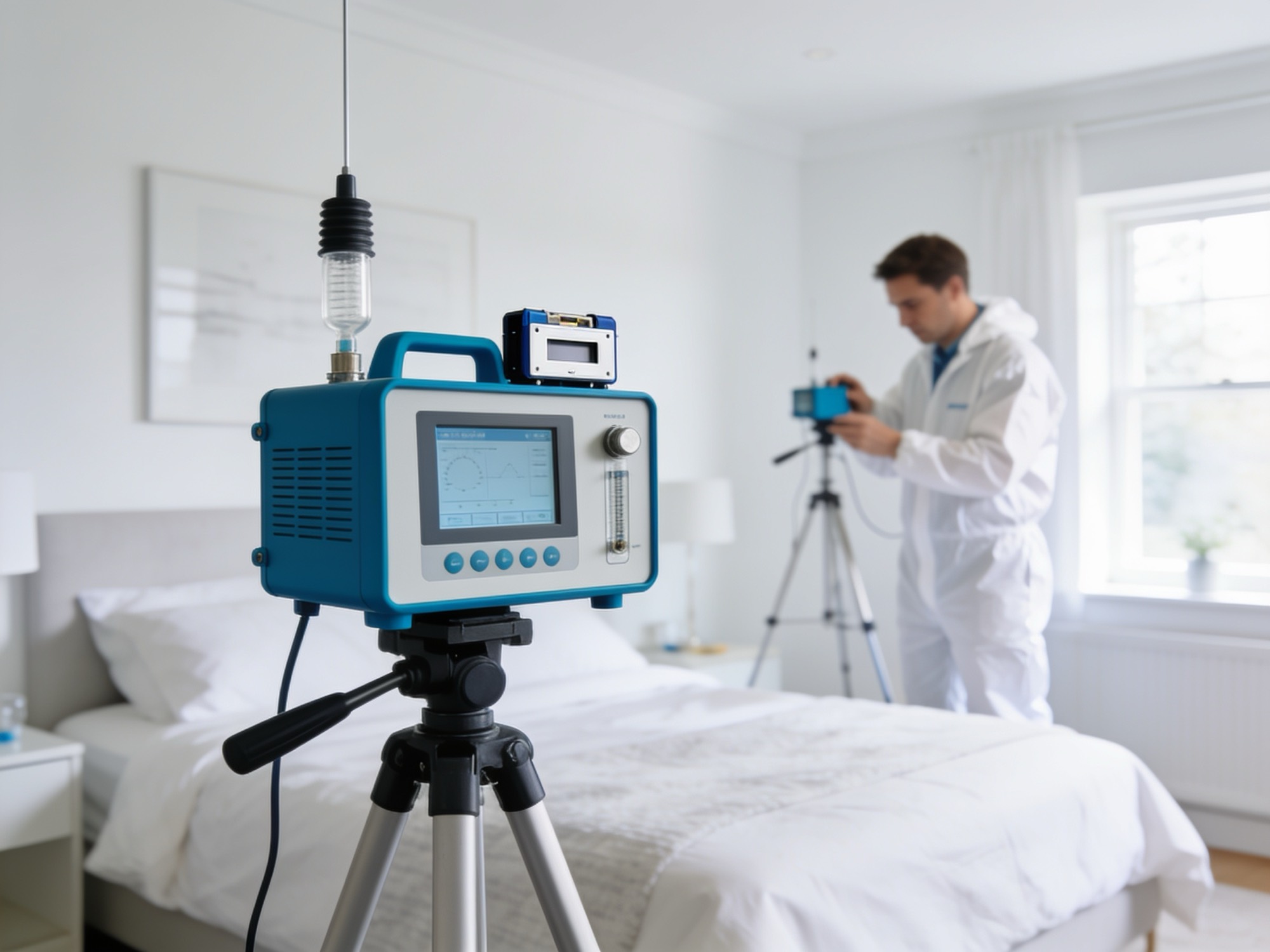
We remove mould safely using containment where needed, HEPA vacuuming and antimicrobial treatment, so spores aren't spread around the home. We also offer air quality testing and mould surveys if you want to understand what's going on. Send us a few photos for a free quote.