How to reduce condensation at home: 12 practical tips
Water on the windows every morning is a sign of too much moisture in the air. These simple changes make a real difference.
Condensation is the most common cause of mould in UK homes. It happens when warm, moist air meets a cold surface - windows, outside walls, corners and ceilings - and turns back into water. Every day an ordinary household puts a lot of water into the air from breathing, cooking, showers and drying clothes. The trick is to make less of it, let it out, and keep surfaces from getting too cold.
Make less moisture
- Put lids on pans when cooking, and use the cooker hood if you have one.
- Dry clothes outside when you can. If you must dry indoors, use one room with the door shut and the window slightly open, or use a tumble dryer that's vented outside or a condenser dryer.
- Don't dry washing on radiators - it puts moisture straight into the air.
- Keep the bathroom door closed during and after showers so steam doesn't spread through the house.
Let it out
- Use extractor fans in the kitchen and bathroom every time, and leave them running for 15-20 minutes afterwards. Check they still work - hold a sheet of toilet paper up to them; it should be pulled towards the fan.
- Open the trickle vents on your windows (the slots at the top of the frame) and leave them open, even in winter.
- Open windows for 10-15 minutes in the morning, especially in bedrooms, to let out the moisture from the night.
- Keep air bricks and vents clear - don't block them with furniture, paint or draught-proofing.
Keep surfaces warmer
- Keep a low, steady heat rather than heating rooms in short blasts and letting them go cold. Cold walls attract condensation.
- Leave a gap behind furniture on outside walls so warm air can reach the wall.
- Don't overfill wardrobes and cupboards on outside walls - air needs to move.
Measure and control
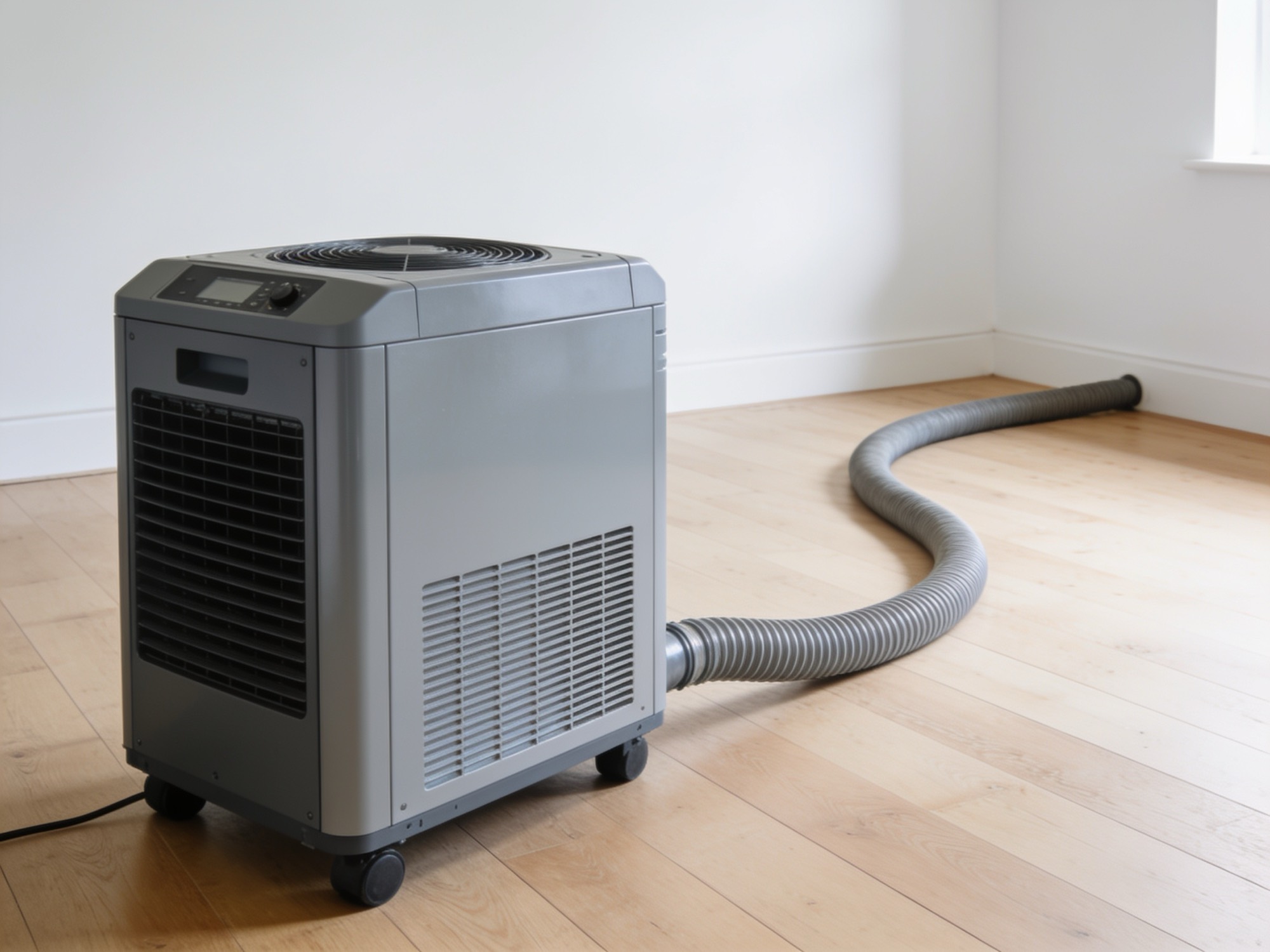
- Get a cheap hygrometer to check humidity. Indoor humidity that is regularly above about 60% makes mould much more likely. A dehumidifier can help bring it down in problem rooms.
When tips aren't enough
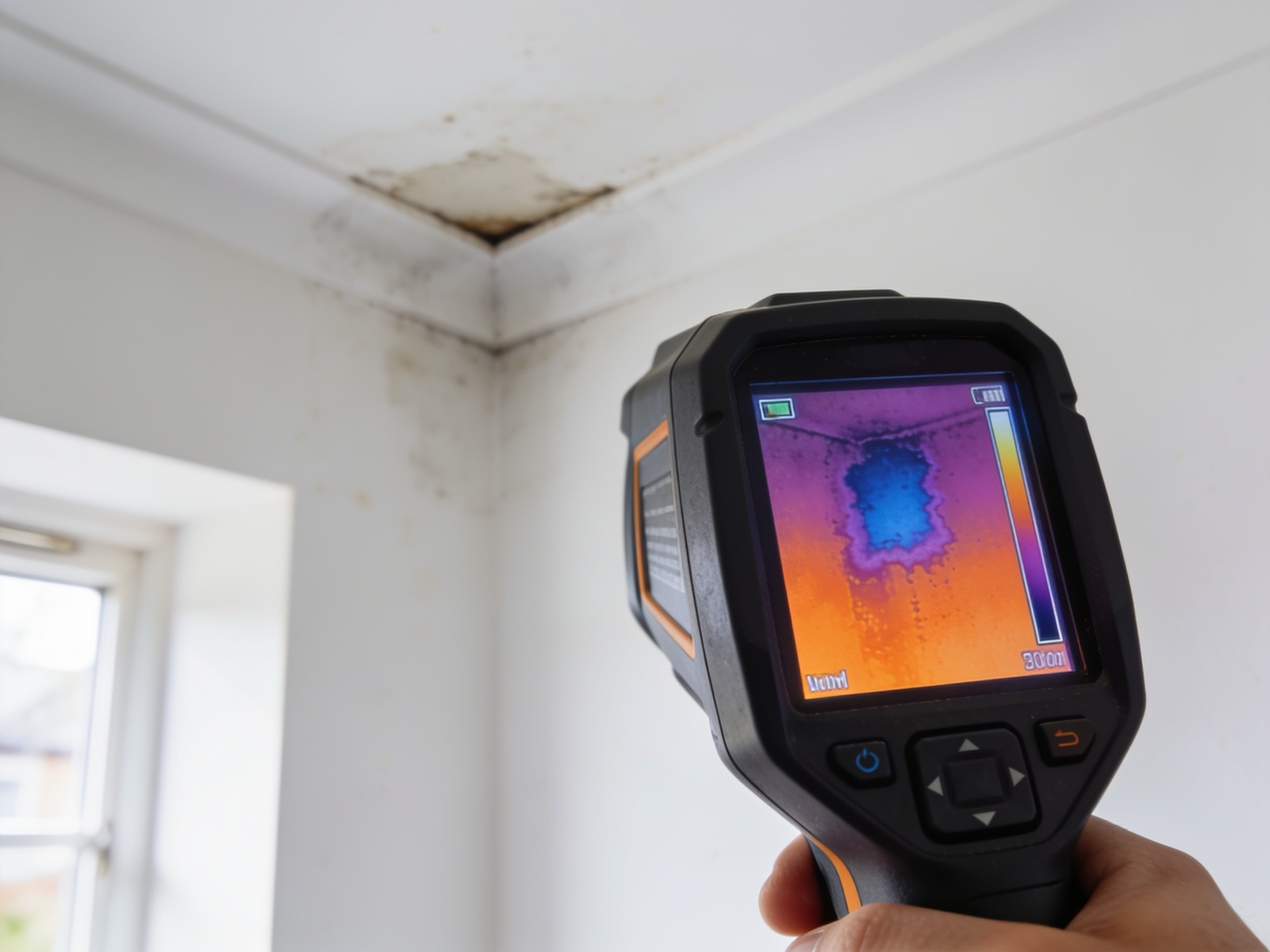
If you're doing all of this and still have condensation and mould, there may be a bigger problem - poor insulation, cold bridging around windows, a ventilation system that isn't working, or water getting in from outside. A moisture survey with thermal imaging shows exactly where the cold spots and damp are, so you only pay for the fix you need.
Not sure whether it's condensation at all? Read Condensation, damp or a leak? How to tell the difference.