Mould in the bedroom or behind the wardrobe: causes and fixes
Mould behind wardrobes, beds and on bedroom walls is almost always about moisture meeting a cold wall with no air moving. Here's what to do.

Pull a wardrobe or bed away from the wall and finding black or green mould behind it is one of the most common calls we get. It often comes with a musty smell in the room, mould on the bottom of curtains, or mildew on clothes and shoes inside the wardrobe.
Why bedrooms get mould
We all breathe out moisture while we sleep - two people in a closed bedroom add a surprising amount of water to the air overnight. In winter, with windows shut and the heating off at night, that moisture settles on the coldest surfaces in the room.
- Furniture against outside walls. A wardrobe or headboard pushed against an external wall stops warm air reaching it. The wall behind stays cold, condensation forms and mould grows where you can't see it.
- Cold corners and window reveals. Corners where two outside walls meet, and the area around windows, are often colder than the rest of the wall.
- Drying clothes indoors. Washing dried on radiators or airers in a bedroom puts litres of water into the air.
- Blocked ventilation. Closed trickle vents on windows and blocked air bricks mean the moist air can't escape.
What to do now
- Move the furniture a few centimetres away from the wall so air can circulate - even 5cm helps.
- Take clothes and shoes out of a mouldy wardrobe, wash what can be washed, and let the wardrobe dry out.
- Open the trickle vents on the windows and leave them open.
- Open the window for a short while each morning to let out the night's moisture.
- Keep the room gently heated rather than letting it go completely cold.
- Avoid drying washing in the bedroom.
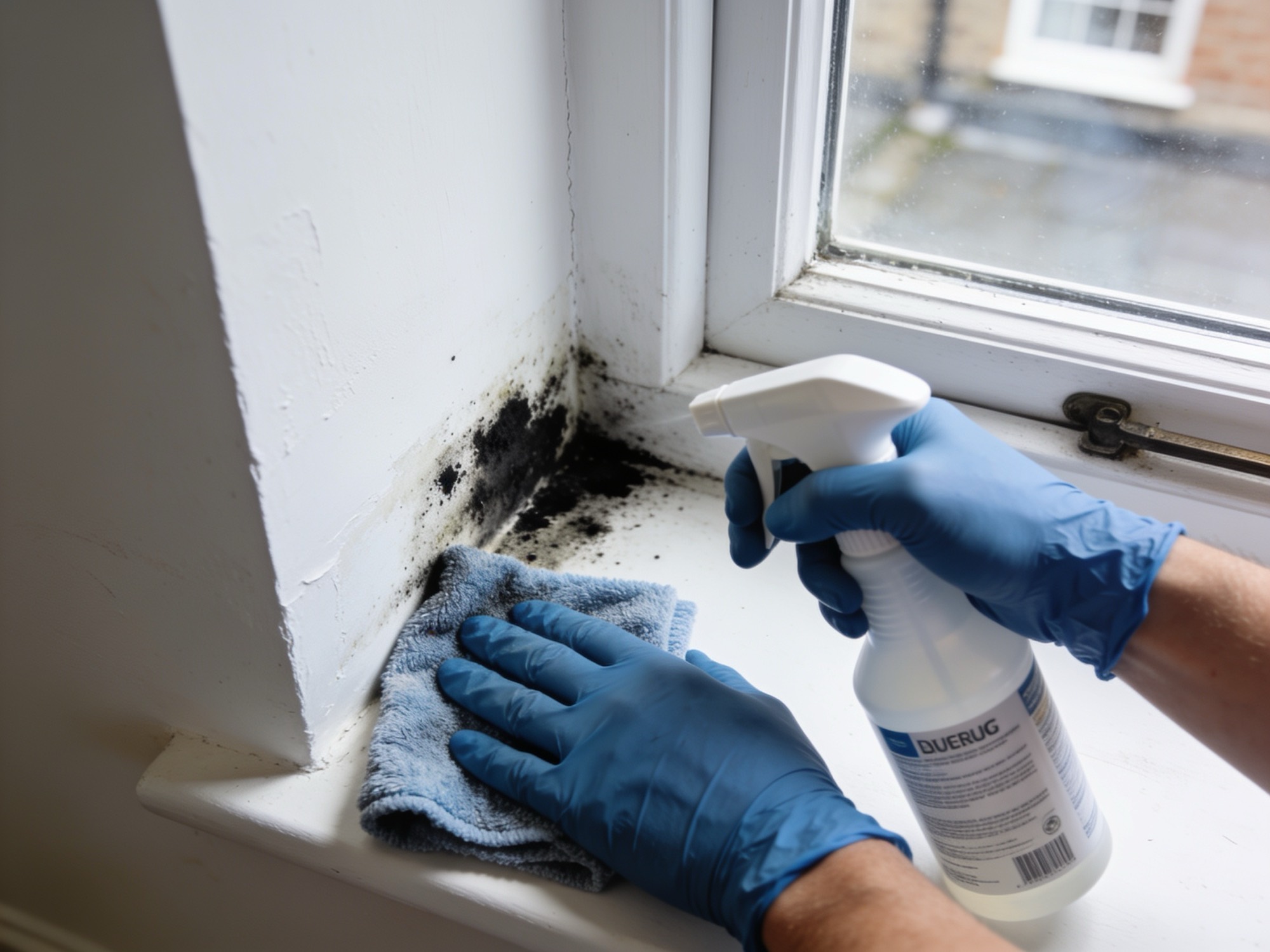
For small patches on a sealed, painted surface, careful cleaning may be enough. Larger areas, mould on porous surfaces like plaster and wallpaper, or mould that keeps returning is better dealt with properly - disturbing it can release spores into the room you sleep in.
Is it condensation or something else?
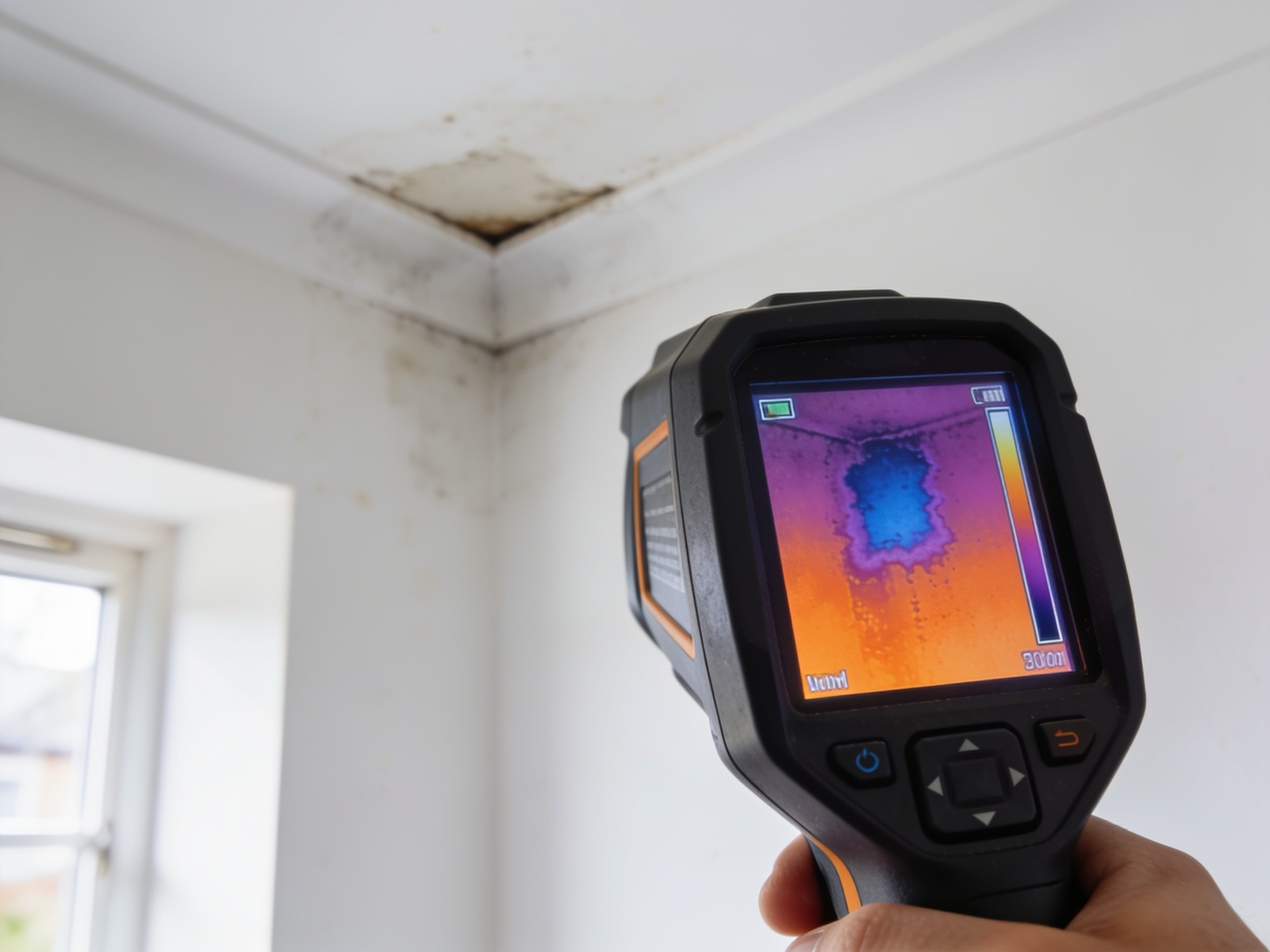
Bedroom mould is usually condensation, but not always. A damp patch that gets worse after rain, a tide mark low down on the wall or a patch that's wet to the touch in dry weather can point to penetrating damp, rising damp or a leak. Our guide Condensation, damp or a leak? explains how to tell, and a moisture survey will confirm the cause.
How we can help
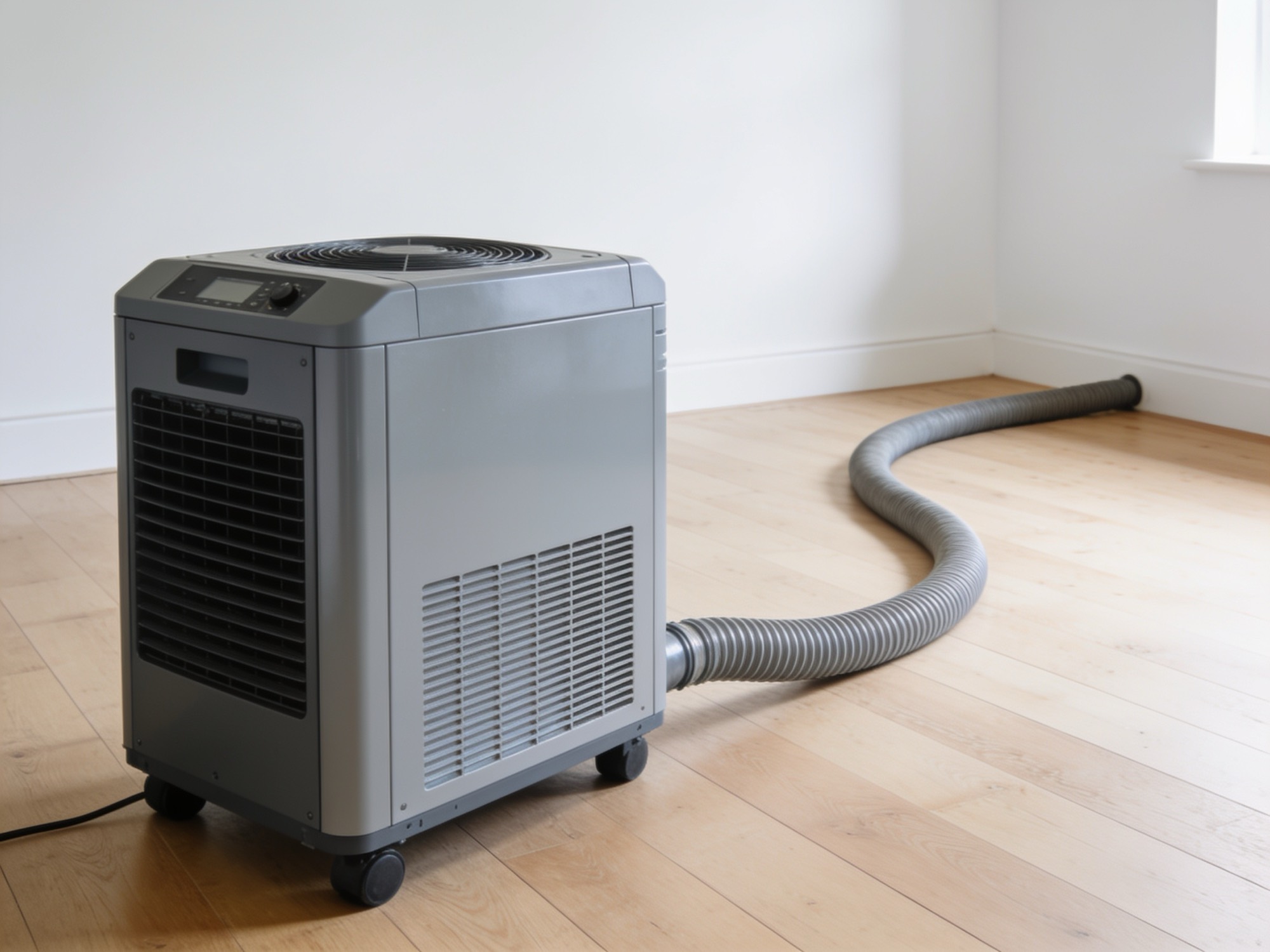
We find the cause, remove the mould safely with HEPA vacuuming and antimicrobial treatment, and give you a clear plan to stop it returning. Send us a few photos through our quote form for a free, no-obligation quote.